Hair loss is a common concern that affects millions of people worldwide, leading to significant distress and a search for effective treatments. Among the newer advancements in hair restoration, Platelet-Rich Plasma (PRP) therapy has gained popularity due to its promising results and minimally invasive nature. This article explores the science behind PRP therapy, its application in treating hair loss, and its effectiveness.
What is PRP Therapy?
PRP therapy is a medical treatment that uses a concentration of a patient’s own platelets to accelerate the healing of injured tendons, ligaments, muscles, and joints. In the context of hair loss, PRP is believed to stimulate the growth of hair follicles by increasing blood supply to the hair root and thickening the hair shaft.
The Process of PRP Therapy
- Blood Collection: The treatment begins with drawing a small amount of the patient’s blood, similar to a routine blood test.
- Platelet Concentration: The blood is then spun in a centrifuge to separate the platelets from other blood components. This process concentrates the platelets in the plasma, creating platelet-rich plasma.
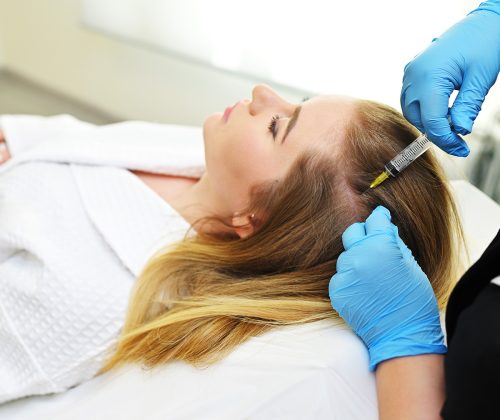
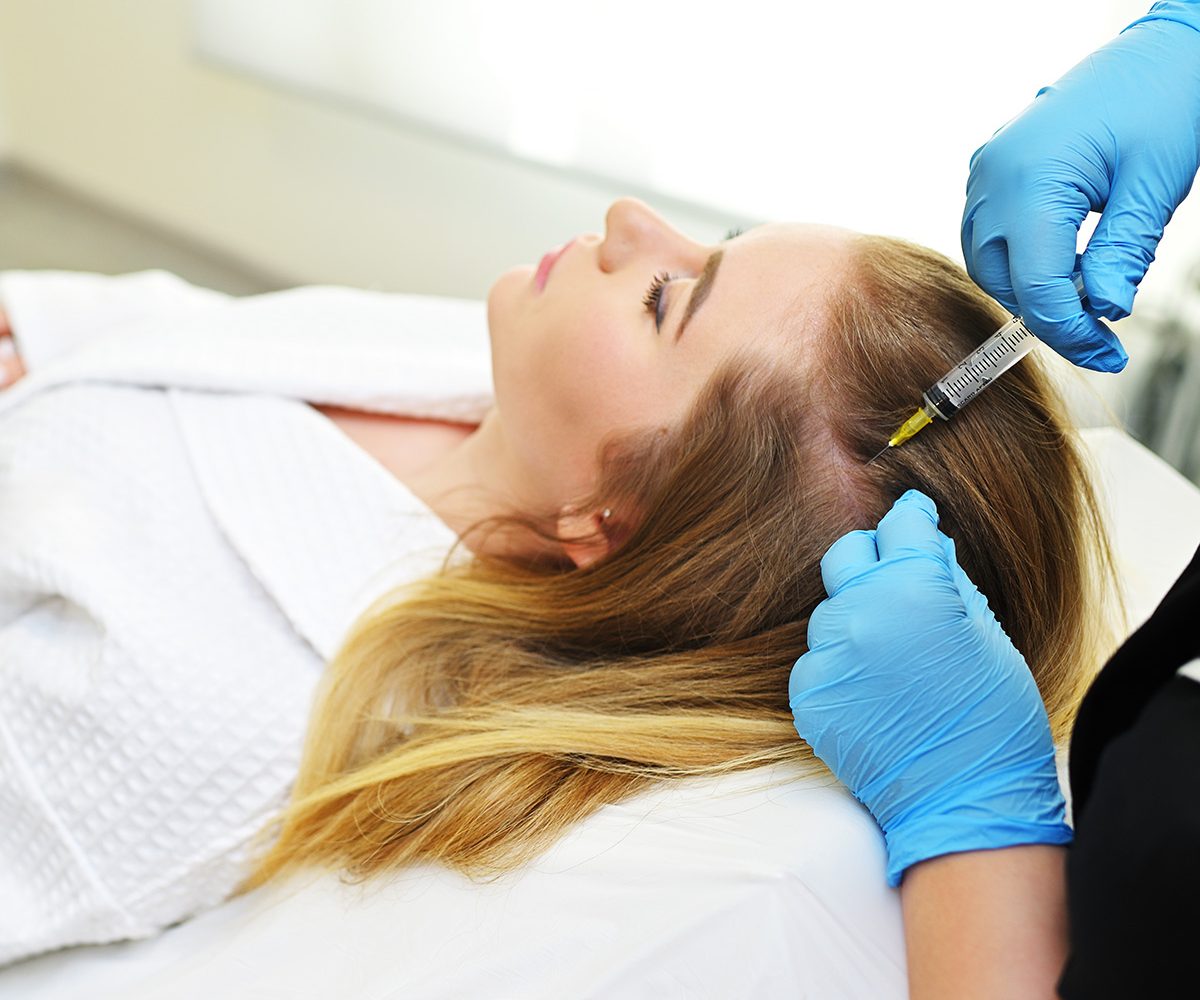
- Injection: The PRP is then injected directly into the scalp at the level of the hair follicles, targeting areas where hair loss is noticeable.
Benefits of PRP for Hair Loss
- Safety: Since PRP is derived from the patient’s own blood, there is a reduced risk of allergic reactions or serious side effects.
- Minimally Invasive: The procedure is non-surgical and typically requires no downtime, making it an attractive option for many.
- Effectiveness: Several studies have shown that PRP can increase hair count, hair thickness, and the growth phase of the hair cycle.
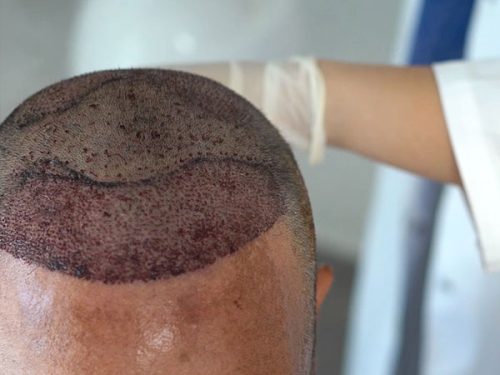
- Enhancement: PRP can be used in conjunction with other hair loss treatments or hair transplant surgeries to potentially enhance the final outcomes.
Ideal Candidates for PRP
PRP is particularly effective for those suffering from androgenic alopecia (genetic hair thinning), which affects both men and women. Patients with early hair loss tend to respond best to PRP treatments. It is less effective for those with complete baldness and more advanced hair loss.
Expected Results and Sessions Required
The results of PRP treatment can vary. Most patients require three sessions spaced one month apart to see significant results, with maintenance treatments every 4–6 months. Improvement in hair growth can typically be observed within two to three months after the start of treatment.
Potential Side Effects
The side effects of PRP injections are generally minor and may include mild pain at the injection site, scalp tenderness, swelling, and in some cases, headache. These symptoms typically resolve within a few days.
Conclusion
PRP therapy is a promising option for those looking to address hair loss without undergoing extensive surgical procedures. It leverages the body’s natural healing mechanisms to strengthen hair follicles and improve hair density. As with any medical treatment, consulting with a qualified healthcare provider is crucial to determine if PRP therapy is the right option based on individual hair loss conditions and overall health.